Areas of Expertise

  • Climate migration
  • Climate impacts and violent conflicts
  • Civilian crisis prevention
  • Climate geopolitics
  • Climate impacts in the Sahel, South Asia, and the Pacific  

Short Bio

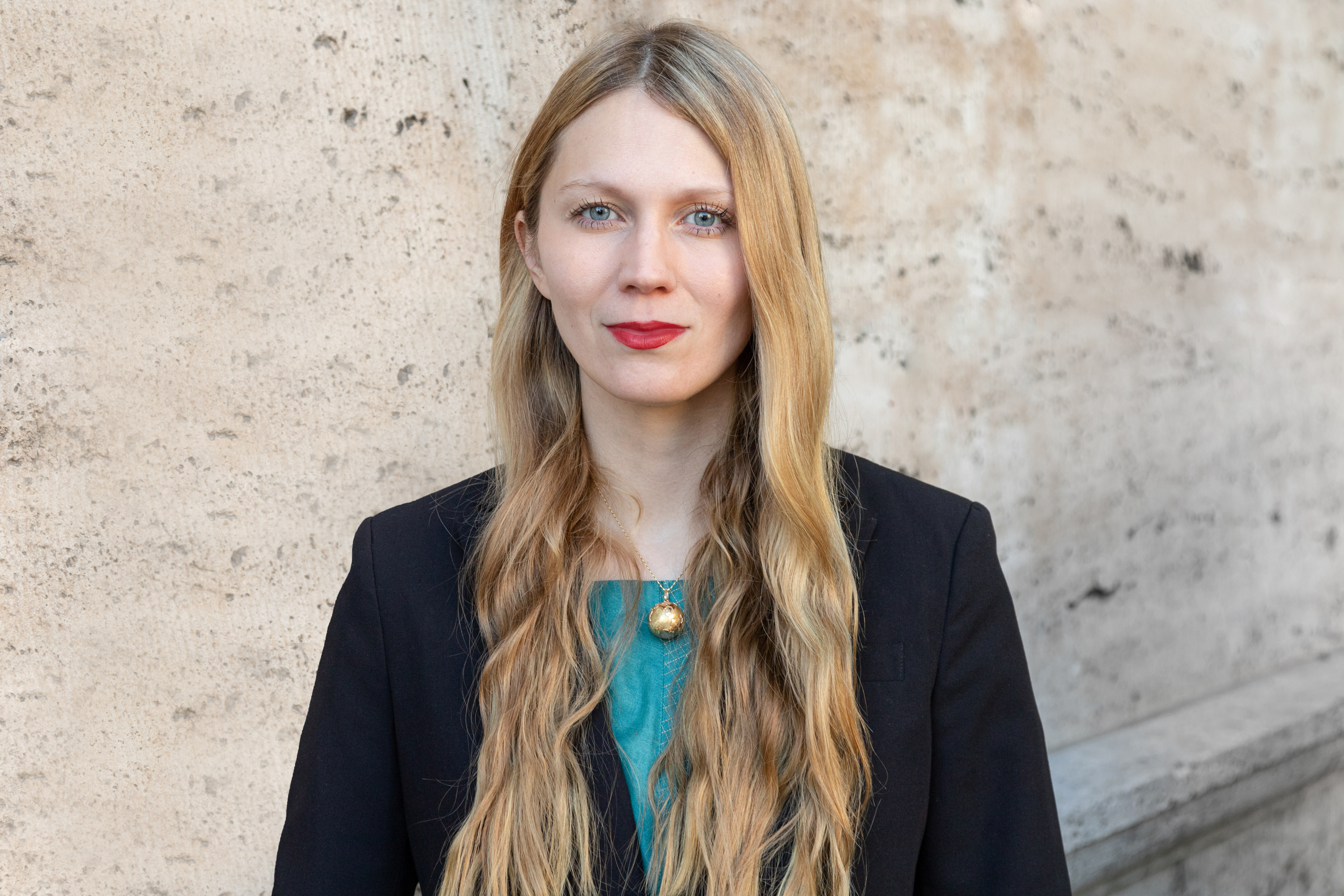
Dr. Kira Vinke is deputy research director and head of the Center for Climate and Foreign Policy at the German Council on Foreign Relations (DGAP). She is also a member of the Advisory Board to the Federal Government for Civilian Crisis Prevention and Peacebuilding, which she co-chaired from 2018 to January 2025. From 2014-2022, she worked at the Potsdam Institute for Climate Impact Research (PIK). Before joining DGAP, she headed the East Africa Peru India Climate Capacities (EPICC) project there.

Until 2018, Vinke was a research analyst to the director of PIK. In this capacity, she worked from 2014 to 2016 as an analyst for the German Advisory Council on Global Change to the Federal Government (WBGU). She provided her expertise as a consultant for the German Development Cooperation (GIZ) and the Asian Development Bank. She has extensive field research experience in South Asia, the Pacific, and the Sahel.

Vinke completed her doctoral dissertation (summa cum laude) at Humboldt-Universität zu Berlin on the subject of climate change and migration; her studies were funded by the Studienstiftung des deutschen Volkes. For her dissertation, she received the “Potsdamer Nachwuchswissenschaftler-Preis,” a prize for young scientists, from the city of Potsdam.

Vinke has been a member of the advisory board of Germany’s Federal Academy for Security Policy (BAKS) since 2022. She is also a member of the board of trustees of the German Climate Foundation (Deutsche KlimaStiftung) and of the World Vision Deutschland e.V. In addition, Vinke is a member of the German section of “Aktion gegen den Hunger” (Action Against Hunger) and the Development Service and Humanitarian Aid Committee of “Brot für die Welt” (bread for the world) as well as an elected member of the German Committee for UNICEF e.V.

See list of publications

See list of lectures and media appearances

Languages

German, English, Spanish, Portuguese


[Last updated: April 2026]

Kira Vinke

Share

Expertise

Publications

Migration in Zeiten des Klimawandels

Wenn Bleiben unmöglich wird
Author/s
Kira Vinke
Anna Sperber
Zwischen Dürre, Flut und Ernteausfällen wird Migration zur Anpassungsstrategie – und doch ist sie selten freiwillig. Der Klimawandel verengt Handlungsspielräume. Wer wegkann, wer bleiben muss und wer unversehrt ankommt, entscheidet sich entlang von Geld, Netzwerken und struktureller Ungleichheit.
Externe Publikationen

Frieden und Klimawandel

Author/s
Kira Vinke
Sima Bulut
Die Wechselwirkungen zwischen Klimawandel und Frieden sind vielschichtig. Militärische Konflikte erzeugen, neben direkten Gewaltopfern und ökonomischen Schäden, schwere Umweltbelastungen und massive Treibhausgasemissionen. Unvollständige Friedensprozesse können nachhaltige Entwicklung infrage stellen. Zudem verschärfen Klimafolgen oft Konflikte und können ihre Genese begünstigen. Es gibt allerdings Ansätze für umweltbezogene Friedensförderung, sowie konfliktsensible Anpassungs- und Minderungsprojekte. Mehr Klimafinanzierung in fragilen Staaten kann somit auf Stabilität und Friedensprozesse einzahlen.
Externe Publikationen

Global Reordering, German Responses

Author/s
Thomas Kleine-Brockhoff
Kira Vinke
Increasingly wedged between the aspirations of three global superpowers building spheres of influence, Germany needs a clear strategy of its own to avoid subordination by a drastically changed United States. Here, DGAP experts take stock of affected policy fields and outline a path forward.
Memo

Trump’s Senseless Energy Battle

purchasable

Taking charge of Venezuela's oil reserves is part of the Trump administration's vain attempt to dictate global energy policy.

Author/s
Kira Vinke
IPQ
Carbon Critical
Creation date

Science as a Domain of Strategic Competition: The Security Costs of Research Cuts

Author/s
Abdullah Fahimi
Kira Vinke
Anna Sperber
The United States has withdrawn funding and formally left key institutions of scientific cooperation, while China is expanding its presence. With research funding lagging, Germany and the EU must act decisively or risk losing international influence and becoming dependent on external actors for critical data, expertise, and strategic insight.
Memo

In the media