Areas of Expertise

  • Russian domestic, foreign, and security policy; EU-Russia relations
  • Russian energy, economic, and education policy
  • Eastern Partnership, especially in the South Caucasus, Belarus, and Ukraine
  • Russia’s relations with its post-Soviet neighbors and post-Soviet conflict areas
  • Regional order with a focus on Eastern Europe, South Caucasus, and Central Asia
  • Russian disinformation and hybrid warfare

Short Bio

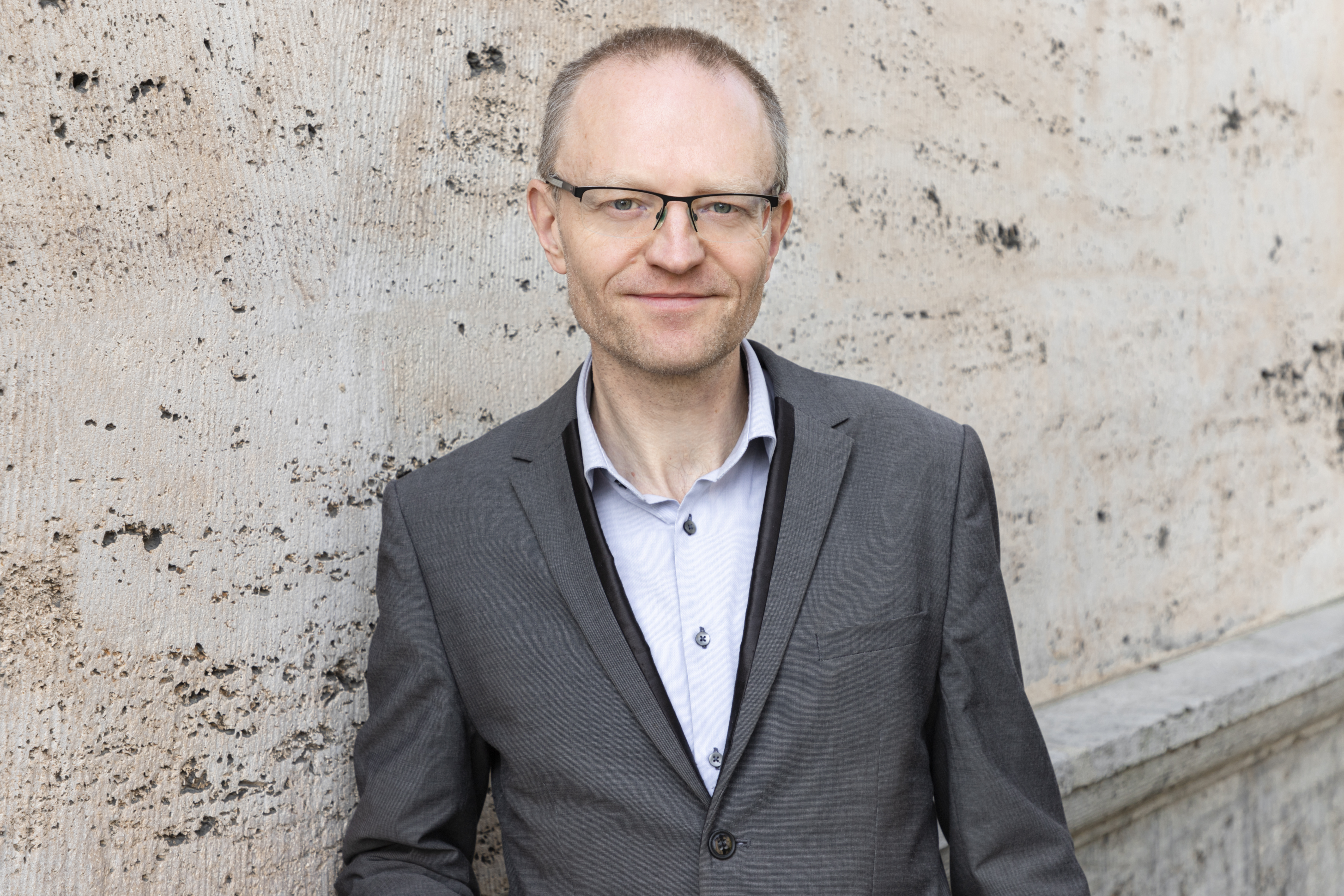
Dr. Stefan Meister is Head of the Center for Order and Governance in Eastern Europe, Russia, and Central Asia at the DGAP. From 2019 until 2021, he worked as director of the Heinrich Böll Foundation’s South Caucasus Office.

From 2017 to 2019, Meister was head of the Robert Bosch Center for Central and Eastern Europe, Russia, and Central Asia at DGAP, where he had previously headed its program for Eastern Europe, Russia, and Central Asia. Before that, he was a senior policy fellow in the Wider Europe Team at the European Council on Foreign Relations (ECFR) in Berlin and London. In the 2015/16 term, Meister was a visiting fellow at the Transatlantic Academy in Washington, DC, where he wrote on Russian disinformation and propaganda. He has served as an election observer for the OSCE in post-Soviet countries several times and worked on conflict transformation and institution building in post-Soviet countries.

Meister is co-author of Geopolitics and Security: A New Strategy for the South Caucasus (KAS/DGAP/GIP, 2018), The Russia File (Brookings, 2018), Eastern Voices (Center for Transatlantic Relations/DGAP, 2017), and The Eastern Question (Brookings, 2016).

He studied international relations and East European history in Jena, Leipzig, and Nizhni Novgorod and holds a PhD from Friedrich Schiller University in Jena with a thesis on the transformation of the Russian higher education and research system.

Languages

German, Russian, English, Polish


[Last updated: January 2023]

Stefan Meister

Share

Publications

Russlands Radikalisierung, Deutschlands Naivität

Wie konnte es zum Angriffskrieg Moskaus auf die Ukraine kommen, welchen Anteil haben Deutschland und Europa an der Entwicklung, und wie hat der Krieg Putins Reich selbst verändert? Vier Bücher werfen auf der Basis investigativer Recherchen und bislang unbekannter Archivmaterialien einen neuen Blick auf drei alte Fragen. 

Author/s
Stefan Meister
IP
Creation date

Das Ende der Hegemonie

Russlands Einflussverlust im postsowjetischen Raum
Author/s
Stefan Meister
Russlands Angriffskrieg gegen die Ukraine verändert die Machtbalance in der postsowjetischen Region. Russland verliert zunehmend an Einfluss auf Kosten der Länder der Regionen sowie externer Mächte und Staatenbündnisse.
Externe Publikationen

Ukraine’s EU Accession: The Risks of Misunderstanding

purchasable

For Kyiv, becoming an EU member is about security guarantees and leaving Moscow’s orbit for good. For Brussels, it’s about the implementation of reforms. 

Author/s
Stefan Meister
IPQ
The Future Shape of Europe
Creation date

Armenia Before the Election

What Kind of Democracy Will Prevail?
Author/s
Eviya Hovhannisyan
Stefan Meister
Armenia is often seen as a role model in the South Caucasus, especially when it comes to democratization. But this development is accompanied by a increasing personalization of power, weakened institutional autonomy, and a deeply polarized political landscape.
External Publications

The Iran War: A Test Case for Germany’s Credibility

purchasable

In the US-Israel war against Iran, Germany has little influence on how it is being conducted but is directly affected by the security policy and economic consequences. This makes it all the more important to realistically determine its own interests.

Author/s
David Jalilvand
Stefan Meister
IPQ
Creation date

In the media